
Digital Publishing Platforms Explained: What They Are and Why Your Business Needs One
If you’re still emailing PDFs or embedding bulky documents on your website, you might be missing a major opportunity. Digital publishing platforms do far more than display content online, they turn your documents into interactive experiences designed to engage, convert, and impress.
From lead capture and analytics to seamless sharing and branding, these tools are redefining how companies distribute content. Let’s break down what digital publishing platforms really are, and why they’ve become essential for modern businesses.
What Is a Digital Publishing Platform?
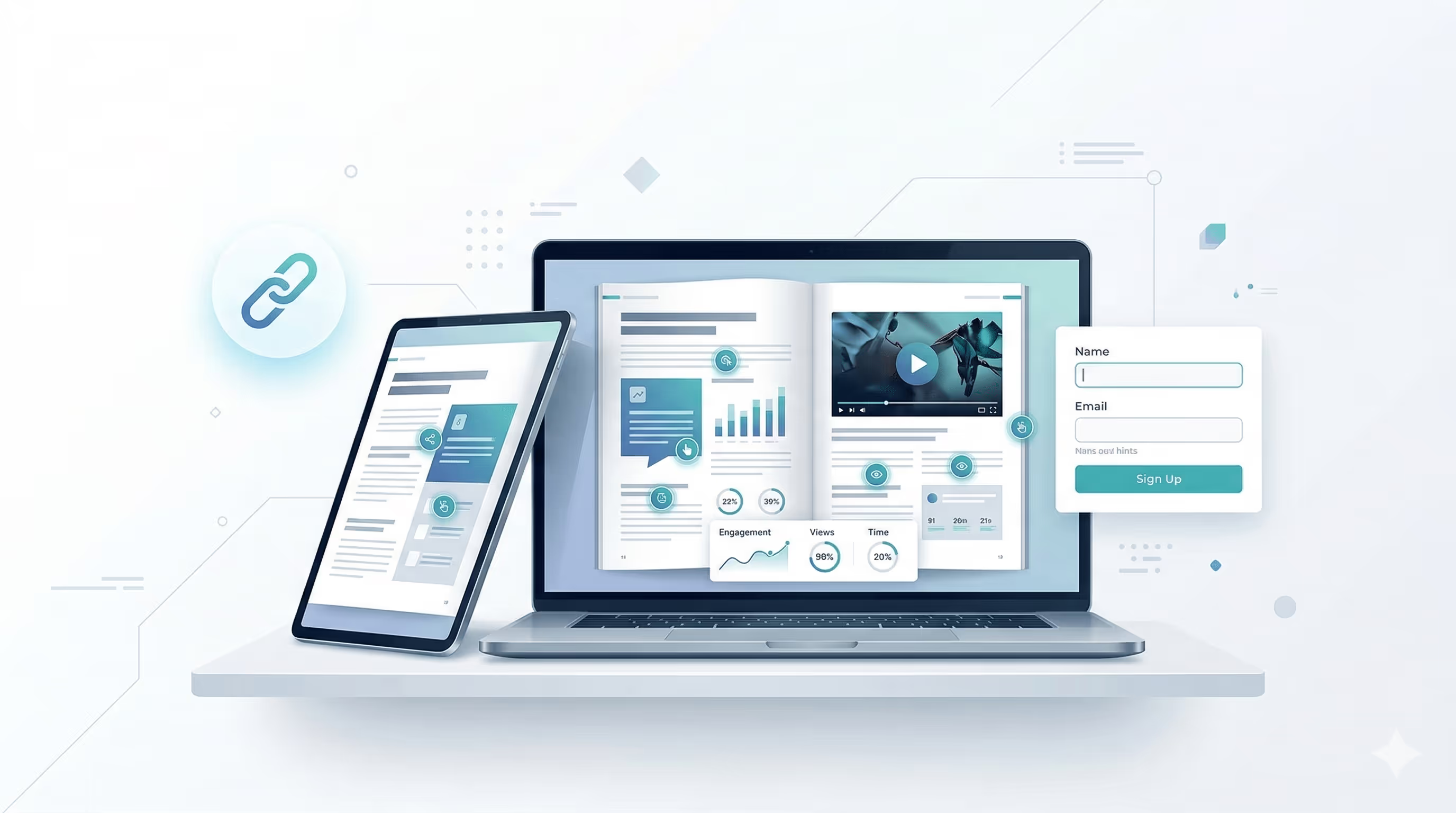
A digital publishing platform is a tool that transforms static documents, like PDFs, brochures, catalogs, magazines, reports, and presentations, into interactive, web-friendly experiences.
Instead of sending a downloadable file, you share a link. Instead of forcing readers to scroll through endless pages, you offer a smooth, engaging experience optimized for desktop, tablet, and mobile devices. But modern digital publishing platforms go far beyond simple “flipbooks.”
They allow users to:
Add videos, GIFs, links, and interactive elements
Embed documents directly on their website
Capture leads through integrated forms
Update content without re-sending files
In short, they turn documents into dynamic marketing assets.
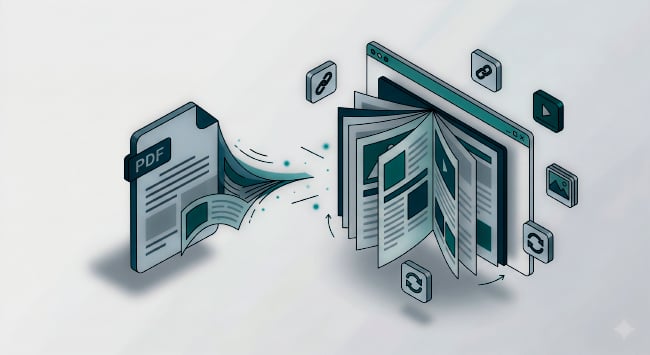
Why Traditional PDFs Fall Short
PDFs have been the standard for years. They’re easy to create and widely supported. But they weren’t built for today’s fast-moving, digital-first world.
Here’s where they struggle:
1. Limited Engagement
A static PDF offers no interaction. Readers scroll, skim, and often leave quickly.
2. No Data or Insights
Once you send a PDF, you have no idea what happens next. Did the recipient open it? Which pages did they read? How long did they stay?
3. Clunky Sharing Experience
Large attachments clog inboxes. Download links interrupt the user journey. And PDFs don’t always display beautifully across all devices.
4. Outdated Content Issues
If something changes, you must resend the file. That creates version confusion and extra admin work. Digital publishing platforms solve all of these challenges, and add new possibilities along the way.
Key Features of a Digital Publishing Platform
Interactive Content
Digital publishing tools allow you to enrich your documents with:
Clickable links and call-to-action buttons
Embedded videos and animations
Image galleries
This interactivity keeps readers engaged longer and guides them toward meaningful actions.
Lead Capture & Gating
Want to collect emails before someone views your brochure or whitepaper? You can.
Many platforms allow you to:
Add lead capture forms before or during the reading experience
Integrate with CRM and marketing automation tools
Use documents as part of your inbound marketing strategy
Instead of simply sharing information, you generate measurable leads.
Analytics & Insights
Digital publishing platforms provide insights such as:
Number of views
Time spent on each page
Click-through rates
Reader behavior patterns
This information helps you refine your content strategy, improve performance, and understand what truly resonates with your audience.

Easy Sharing & Embedding
Rather than sending files back and forth, you share a simple link.
You can also:
Embed publications directly on your website
Share them on social media
Include them in email campaigns
Generate QR codes for offline distribution
It’s seamless, flexible, and modern.
Who Uses Digital Publishing Platforms?
Digital publishing isn’t limited to one industry. Businesses of all sizes and sectors use these platforms to enhance communication and elevate their content.
Here’s how different teams use them:
- Marketing Teams: Product catalogs, campaign brochures, case studies, and lead magnets that drive engagement and capture leads.
- Sales teams: Interactive presentations, pricing guides, and sales proposals that make a strong impression.
- HR & internal communications: Employee handbooks, onboarding materials, and company reports in an accessible digital format.
- Publishers & media companies: Online magazines, digital newspapers, and sponsored content experiences.
- eCommerce businesses: Shoppable catalogs, lookbooks, and seasonal collections that encourage direct purchases.
If your business shares documents in any form, a digital publishing platform can help you present them more professionally, and make them work harder for you.

The Business Benefits: Why It Matters
Higher Engagement
Interactive content keeps readers interested. When users can click, watch, explore, and interact, they’re more likely to stay longer, and convert.
Improved Lead Generation
Gated content turns valuable materials into lead-generating tools. Instead of giving away insights without tracking, you build your contact database strategically.
Better Decision-Making with Data
Analytics remove the guesswork. You can see which pages perform best, which products attract attention, and where readers drop off. This enables smarter marketing and sales strategies.
Faster Updates, Less Admin
Need to update pricing, product information, or a typo? Simply upload a new version. The link stays the same.
No more chasing down outdated attachments.
Professional & Modern Image
First impressions matter. A sleek, interactive publication signals innovation, professionalism, and attention to detail.
It shows your audience that your brand values quality experiences.
Digital Publishing vs. Website Pages: What’s the Difference?
You might wonder: why not just put everything on a website?
Web pages are excellent for many things. But structured documents, like catalogs, reports, or magazines, often need to maintain layout, design flow, and storytelling structure. Digital publishing platforms preserve that carefully designed format while enhancing it with web-friendly features.
They combine the best of both worlds:
The design control of print
The functionality of digital
What to Look for in a Digital Publishing Platform
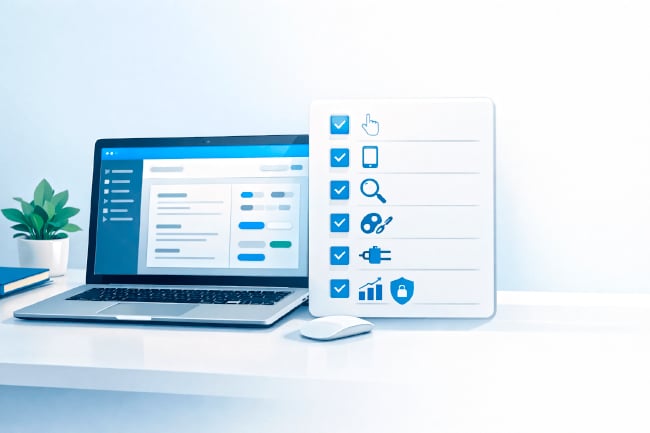
Not all platforms are created equal. When choosing a solution, consider:
Mobile optimization
Custom branding options
Integration with your existing tools
The right platform should feel like a natural extension of your workflow, not a complicated extra step.
Is It Time to Upgrade?
If your business still relies on static PDFs, now is the perfect time to rethink your approach.
Ask yourself:
Do we know how our documents perform?
Are we capturing leads from our content?
Is our sharing experience smooth and modern?
Can we update materials quickly without confusion?
If the answer is “not really,” a digital publishing platform could transform the way you communicate.
Final Thoughts
Digital publishing platforms aren’t just a trend, they’re a smarter way to distribute and optimize content in a digital-first world. They help you move beyond static files and create interactive, measurable experiences that drive engagement and growth.
Whether you’re sharing a catalog, a company report, a sales brochure, or a magazine, the right digital publishing platform turns your documents into powerful business tools.