
The Problem With Generic File-Sharing Links in Modern Marketing
In today’s world, sharing files should feel simple, safe, and professional. But generic file-sharing links often do the opposite. For businesses that want to build trust and create a smooth customer experience, that can be a real problem. That’s why more marketers are turning to smarter digital content tools, like Paperturn, to present brochures, catalogs, and sales materials in a way that feels polished, engaging, and easy to manage.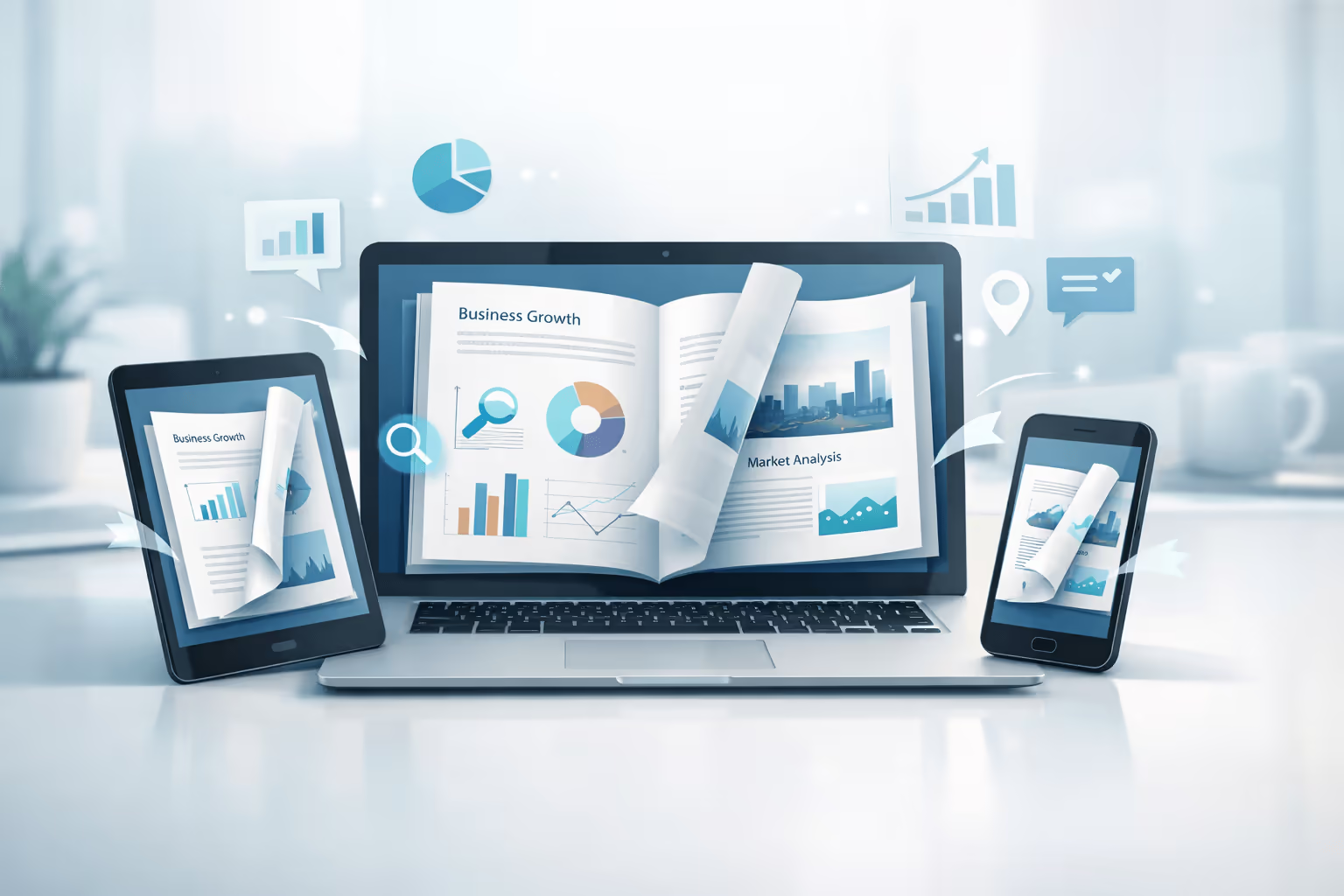
Why Generic File-Sharing Links Make Marketing Content Feel Less Professional
At first glance, generic file-sharing links seem convenient. Upload a file, copy the link, send it out. Done. But for marketers, the real job is not simply to deliver a document. Their content must perform. When someone clicks a generic link and lands on an unbranded file preview, the experience can feel disconnected from your campaign and detached from your brand. That matters because buyers do not separate content from brand experience. They judge the whole interaction.
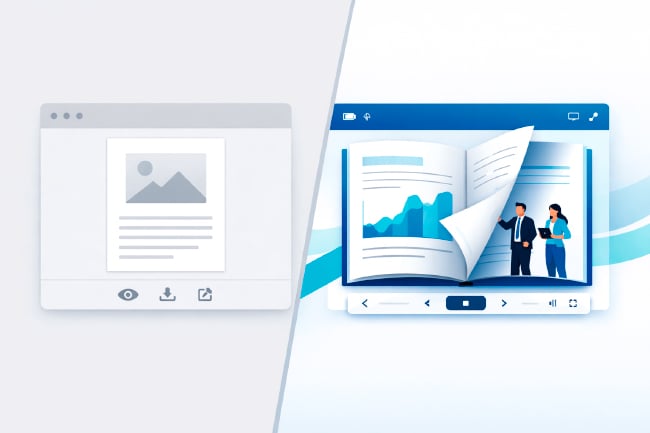
If the handoff feels clunky or impersonal, it can quietly reduce trust, even if the content itself is excellent. Generic sharing tools may deliver the file, but they do not always support the outcome you actually want: confidence, engagement, and conversion. With Paperturn, marketers can create a more branded viewing experience, helping content feel like a natural extension of their website rather than a generic third-party file link.
How Generic Links Create Friction in the Customer Journey
Modern marketing depends on smooth transitions. A potential customer clicks an ad, email, or landing page expecting a polished next step. When that next step is a plain file-sharing link, it can feel abrupt and underwhelming. Instead of moving deeper into your message, the reader lands in a static environment that does little to guide them. There is no strong sense of brand continuity, no engaging presentation, and no feeling that this content was made to be explored. That friction can shorten attention spans, reduce interaction, and make great content feel less valuable than it really is.
Why Digital Flipbooks Are a Better Alternative to Generic File Sharing
This is where digital flipbooks offer a better approach. A digital flipbook turns ordinary PDFs into interactive, branded content experiences designed to be viewed, shared, and explored online. Instead of looking like a basic attachment or storage link, your content feels more like a natural extension of your website and brand.
For marketers, that changes everything. A brochure becomes more engaging. A catalog becomes easier to browse. A sales document feels more polished and intentional. And rather than asking people to open a generic file in a generic viewer, you are giving them an experience that feels created for them. In a competitive market, that difference matters. Presentation shapes perception, and perception shapes trust.
Version Control is More Important Than You Think
One of the biggest hidden problems with generic file-sharing is version confusion. A file gets updated, but an old link is still floating around. A sales rep shares last month’s PDF. A prospect sees outdated pricing, old visuals, or the wrong product details. Suddenly, what was supposed to be a simple workflow becomes a trust issue.
That is why version control is so valuable for marketing teams. Instead of creating a new link every time your content changes, you can update your digital flipbook and keep your content up to date. This helps ensure your audience always sees the latest version, while your team avoids the confusion of outdated files being passed around. The result is more control, more consistency, and a smoother experience for everyone who interacts with your content.
Why Interactivity Matters in Marketing Content
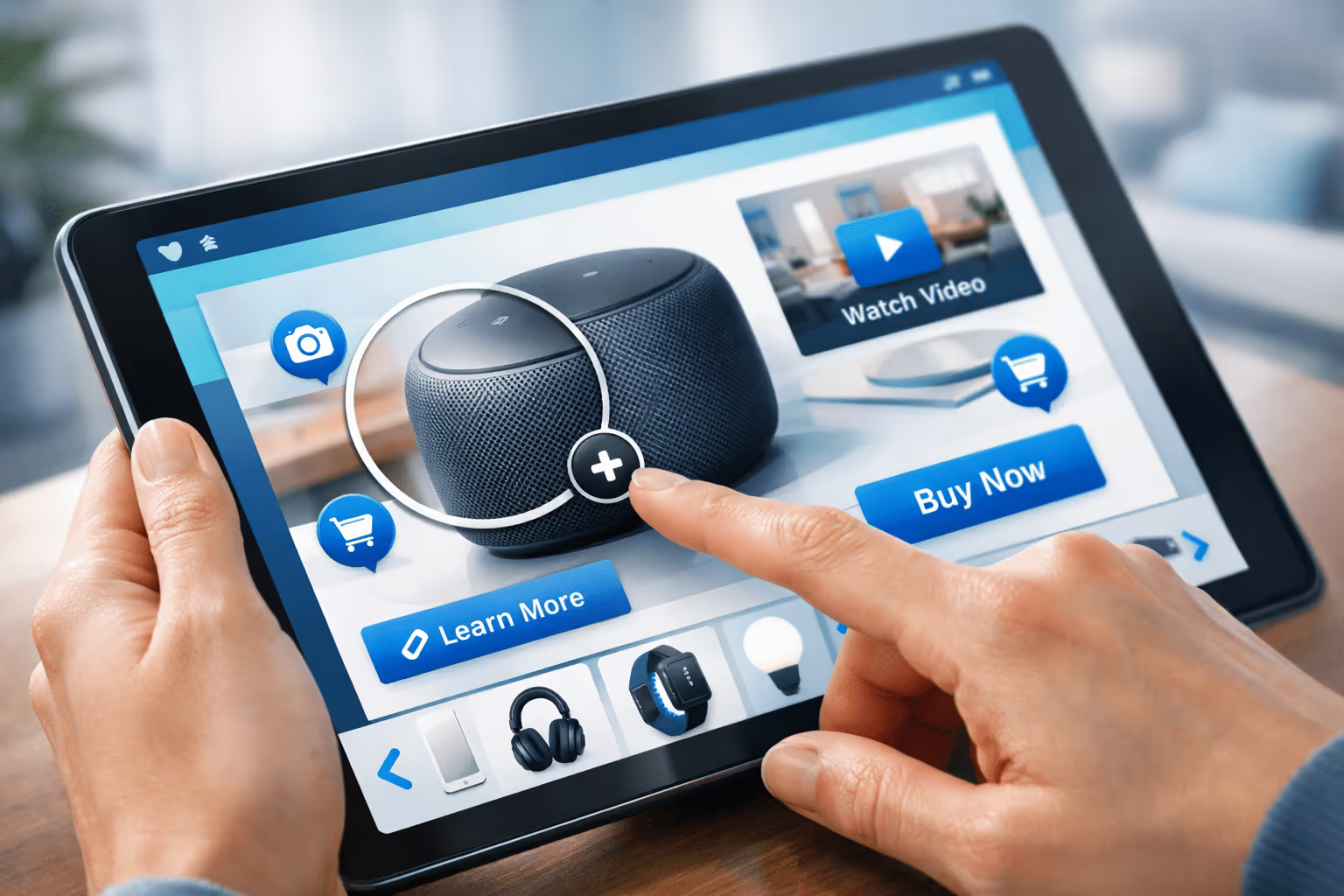
Static files are easy to ignore. They often leave readers doing all the work: scrolling, searching, zooming, and trying to figure out where to go next. That is not ideal when your goal is to hold attention and drive action. Interactivity changes that. It turns content from something people simply view into something they can engage with.
Interactive marketing content is easier to navigate, more compelling to explore, and better equipped to guide readers toward the next step, whether that is clicking a link, viewing a product, or getting in touch. That makes interactivity valuable not just for the reader experience, but for marketing performance too. It can increase engagement, support lead generation, and help your content do more than just sit on the screen.
With Paperturn’s interactive flipbooks, marketers can turn ordinary PDFs into digital flipbooks that feel more dynamic and actionable.
How Paperturn Makes Marketers More Efficient
One reason marketers stick with generic sharing tools is simple: they seem easy. Paperturn keeps that ease, but upgrades the outcome.
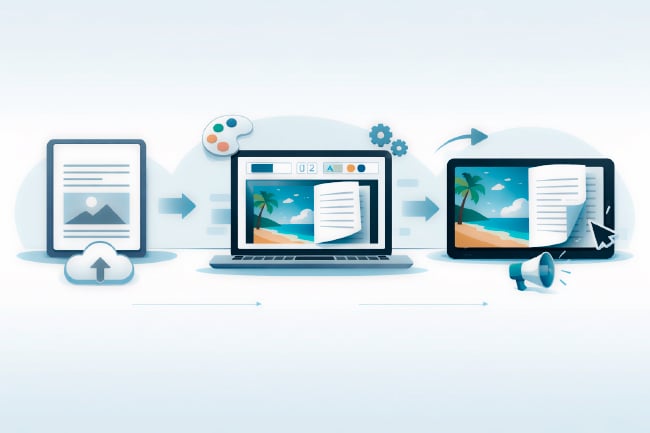
You do not need to rebuild your content from scratch. You do not need a developer and a complicated production process. If you already have a PDF, you already have the starting point. Upload it to Paperturn, and you can transform it into a digital flipbook that feels branded, interactive, and professional.
What Types of Content Work Well as Digital Flipbooks
Some of the best digital flipbooks start as content you already have sitting on your hard drive.
That might include brochures, product catalogs, magazines, invitations, guides, and other marketing materials your team uses every day. As digital flipbooks, these assets can do more than deliver information. They can hold attention, support lead generation, and create a more professional experience from start to finish.
Why Better Content Presentation Leads to Better Marketing Results
The problem with generic file-sharing links is not just that they look plain. It is that they underserve the moment. They underserve the brand, the content, and the marketer trying to create a smoother, more effective customer journey. For marketing teams that want to build trust, keep content current, and create stronger engagement from existing assets, digital flipbooks offer a smarter alternative. They reduce friction, improve consistency, and help every piece of content work harder. Because great marketers create experiences people want to engage with. They create experiences people want to engage with. And digital flipbooks help make that possible through a format that looks better, works harder, and is much easier to manage.