
8 Creative Ways to Use Flipbooks Beyond Brochures
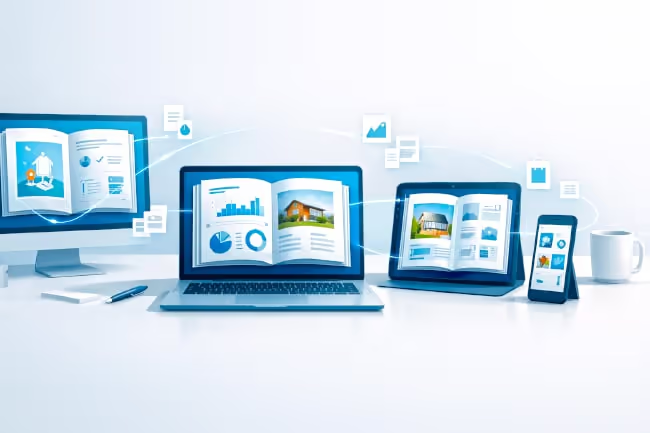
Flipbooks are often associated with brochures and catalogs, but their use cases go far beyond traditional marketing materials. They can help businesses explain ideas, share updates, and create a better reading experience across many types of content.
With Paperturn, companies can turn static PDFs into interactive flipbooks that feel polished, easy to use, and more engaging to read. In this post, we will explore eight creative ways tof using flipbooks beyond brochures.
1. Build better onboarding guides
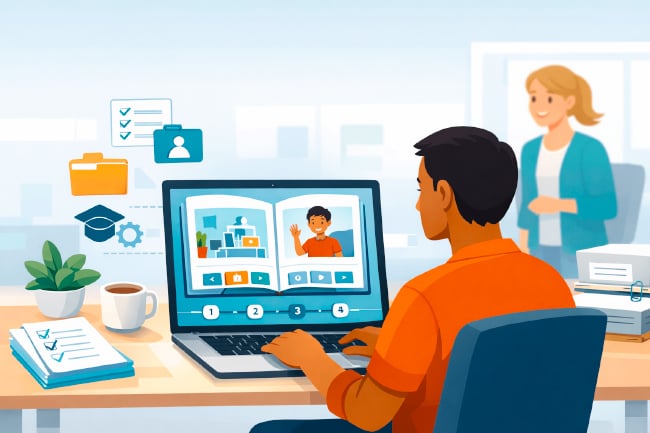
Starting a new job can feel overwhelming. New employees often get long PDF handbooks, scattered training links, and too much information at once. A flipbook can make onboarding feel more welcoming and easier to follow.
Instead of sharing a plain document, businesses can create an online user guide in flipbook format. This makes it simple to organize sections, highlight key information, and give new hires a more professional first impression. With Paperturn, onboarding content becomes easier to browse, read, and revisit later.
A flipbook is especially useful for:
employee handbooks
training guides
company policies
step-by-step process documents
When information is presented clearly, people are more likely to understand it and remember it.
2. Share digital reports people actually want to read
Let’s be honest: most reports are important, but not always exciting to open. Annual reports, investor updates, and internal business summaries often contain valuable information, yet they can feel heavy.
A digital flipbook helps turn reports into more engaging experiences. A well-designed digital report is easier to scroll through, simpler to navigate, and more pleasant to read on different devices. This matters when you are sharing updates with stakeholders, board members, employees, or investors.
Paperturn helps businesses present reports in a way that feels modern and professional. Instead of sending a file that gets lost in downloads, you can share a flipbook that is easy to access and view online.
3. Create online magazines that feel more premium
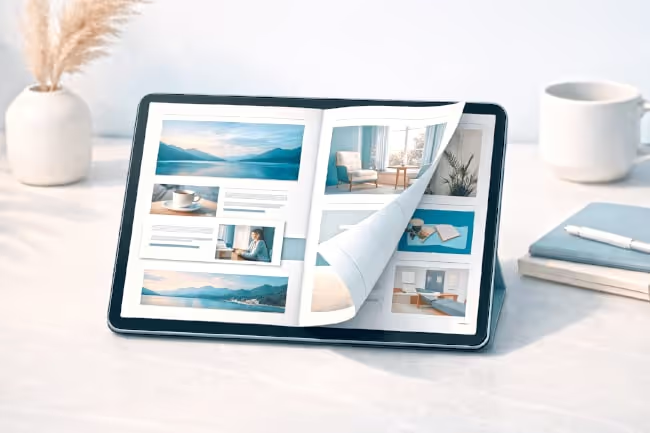
Flipbooks are a natural fit for online magazines. Whether you publish company news, lifestyle content, member updates, or industry insights, the page-turning format adds a more polished and editorial feel.
For brands that want their content to look stylish and easy to explore, a flipbook can make a real difference. Readers can move through articles in a way that feels more like reading a real publication, while businesses can keep everything neatly presented in one place.
This works well for:
company magazines
customer newsletters
association publications
internal culture updates
Paperturn makes online magazines feel more dynamic than a standard web page or static PDF, while still being simple to share.
4. Present real estate listings in a more visual way
Real estate is all about presentation. A strong first impression matters, and property information should feel clear, attractive, and easy to view. Flipbooks can be a smart way to showcase listings, sales presentations, development plans, or agency materials.
Instead of sending a regular PDF, agents and real estate businesses can create flipbooks that feel more professional and interactive. This helps highlight property images, floor plans, and important details in a format that is easier for buyers, investors, or partners to explore.
A real estate flipbook can be used for:
property listings
sales presentations
rental portfolios
development brochures
investor materials
5. Keep product catalogs fresh and easy to share
Catalogs are one of the common uses for flipbooks, but they can do more than simply display products. They can also help businesses keep product information current, organized, and easy to access. This makes it easier for teams, partners, and customers to view the latest version in one place.
This is especially useful for wholesalers, retailers, manufacturers, and distributors that need to present changing product ranges in a clear and professional way. Rather than printing new copies every time something changes, businesses can update their digital catalog and keep their content accurate, polished, and easy to distribute.
That means flipbooks are not only useful for product presentation. They also make it easier to share and manage product information.
6. Publish eBooks and educational content
Flipbooks are also a strong choice for eBook publishing. If a business creates guides, thought leadership content, training materials, or educational resources, a flipbook offers a more polished way to publish them online.
For schools, training providers, and businesses with learning materials, this format can make content easier to use.
An online school brochure, course guide, or educational booklet feels more inviting when it is presented as a flipbook rather than a plain file.
This can work well for:
eBooks
learning materials
study guides
school brochures
course catalogs
Paperturn helps organizations publish longer-form content in a way that feels professional, accessible, and easy to share with students, leads, or customers.
7. Make invitations, pamphlets, and event materials stand out
Not every flipbook has to be long or formal. Shorter content can also benefit from a more interactive format. An online invitation maker or pamphlet maker can give simple documents a more memorable look.
This is useful for:
event invitations
conference programs
fundraising materials
promotional pamphlets
club or sports team brochures
For example:
- a sports organization could use a flipbook to present sponsorship packages, season updates, or team brochures in a way that feels more professional
- an event business could share digital invitations or programs that are easy to open and read on any device
Paperturn helps smaller documents feel just as polished as larger ones. That can make a big difference when presentation matters.
8. Organize enterprise documents in a cleaner way
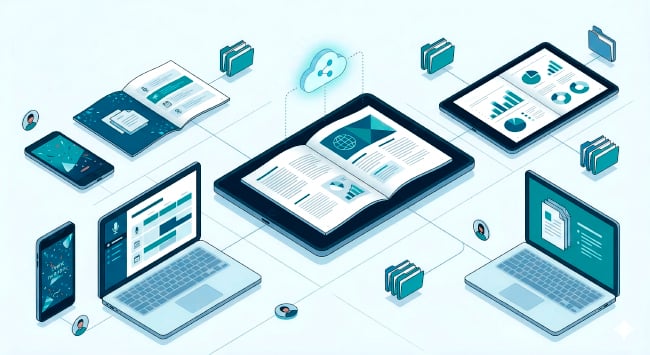
Large businesses often deal with a huge amount of content. From internal documents to client-facing materials, keeping everything clear and easy to share can be a challenge. Flipbooks can help organize enterprise documents in a way that feels simple and more user-friendly.
This is valuable for:
internal communications
policy documents
sales enablement materials
brand guidelines
document management needs
Instead of sending disconnected files, teams can share well-presented flipbooks that are easier to read and easier to access. This creates a more consistent experience across departments and audiences.
Paperturn gives businesses a practical way to improve document management while also improving how their content looks and feels.
Why flipbooks work so well
What makes flipbooks so useful is that they combine the structure of a document with the experience of a digital publication. They help businesses present information in a way that feels more modern, more visual, and more engaging.
That is why flipbooks work for so many use cases, including online magazines, digital reports, eBook publishing, real estate, catalog management, online user guides, online school brochures, sports team brochures, and enterprise documents. Brochures may be the starting point, but they are only one part of the story. With the right content and the right format, flipbooks can support communication across marketing, sales, training, publishing, and internal operations.