
Panasonic’s Product Communication Strategy and the Shift to Digital-First Publishing
Over decades, Panasonic has evolved from a traditional electronics manufacturer into a diversified global technology provider. This transformation has required not only product innovation but also a shift in how information is delivered to customers, partners, and stakeholders.
Digital-first publishing has become essential in industries where product specifications, compliance requirements, and feature updates change frequently.
How Panasonic’s Real-World Digital Shift Mirrors Broader Trends
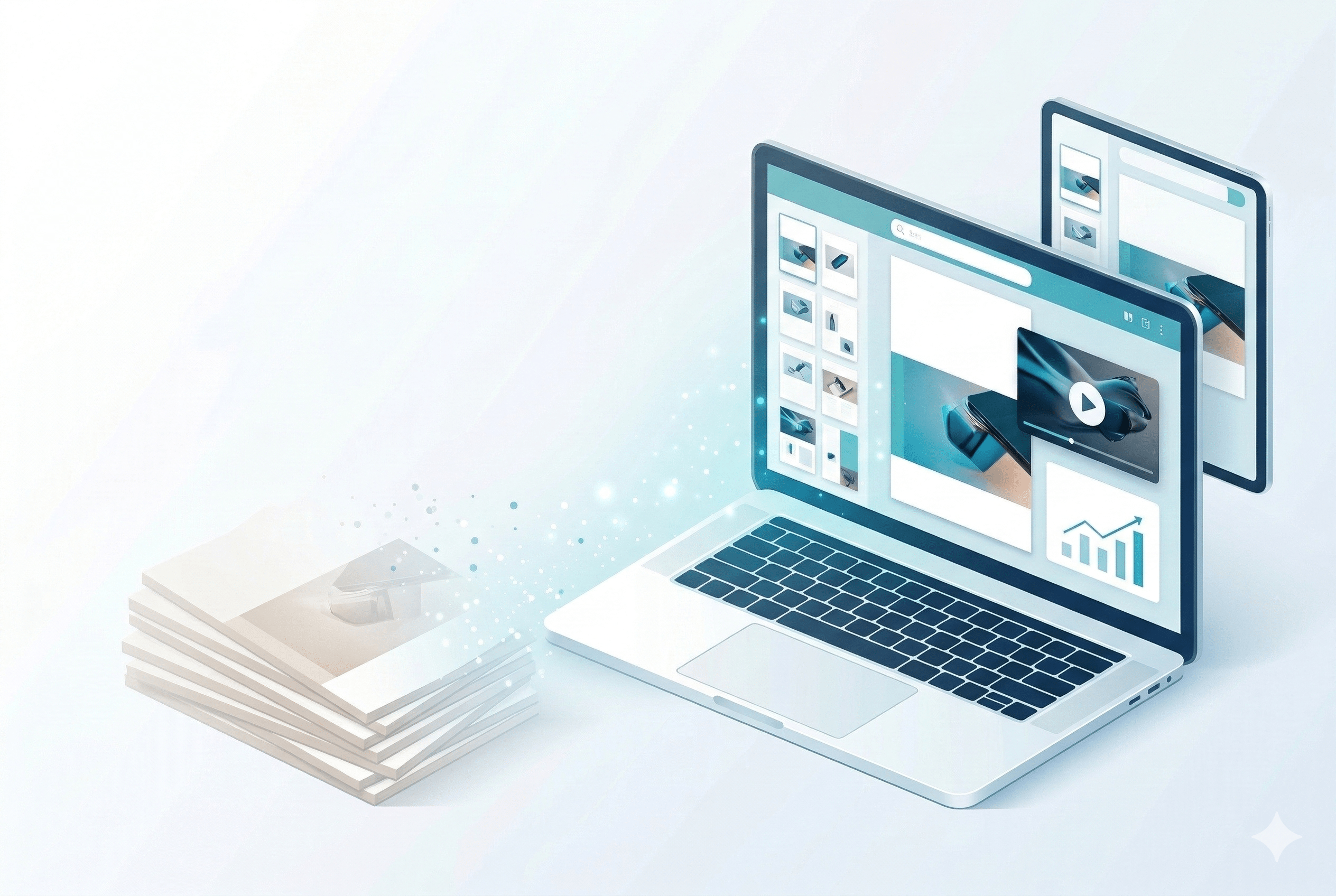
Panasonic’s journey into digital-first publishing is more than a tech upgrade, it’s a transformation in how the company communicates information to the people who need it most. In one standout example, Panasonic Heating & Cooling Solutions Europe moved away from static PDFs and printed materials to interactive digital flipbooks, and the results speak for themselves.
Online brochures, digital manuals, and interactive catalogs allow businesses to maintain accuracy while improving accessibility. Panasonic’s global operations highlight the strategic importance of modernizing product communication, demonstrating how structured digital formats support efficiency, brand credibility, and long-term adaptability in an increasingly connected marketplace.
Instead of relying on bulky 300-400+ page PDFs and expensive printed catalogs that quickly become outdated, the team started using digital publications that can be updated instantly. When Panasonic launched a new 250-line refrigeration range, they were able to update all product documentation immediately, without reprinting.
Goodbye Print, Hello Agility
Before this shift, Panasonic faced common challenges:
PDFs were hard to navigate and lacked tracking.
Printed brochures were expensive and out of date once distributed.
Support teams spent up to 30 minutes on basic calls explaining product details.
By adopting Paperturn’s platform, interactive flipbooks replaced those static documents, making every catalog searchable, trackable, and alive.
With Paperturn flipbooks, Panasonic was able to:
Update catalogs instantly, ensuring stakeholders always see the latest information.
Embed short, practical videos that replaced lengthy support calls.
Use UTM-tagged QR codes to track engagement and generate leads at trade shows.
Instead of printing hundreds of brochures for a trade show, Panasonic now prints one QR code, a change that helped them reduce print costs by 97%.

Smarter Events and Lead Generation
Trade shows and field events used to be all about heavy catalogs and lugging around boxes of brochures. Panasonic flipped that model:
They replaced bulky print materials with QR codes linked to online publications.
These QR codes were UTM-tagged, so marketing teams could see exactly who interacted with what content.
The result? Stronger pipeline data, more qualified leads, and fewer resources spent on print logistics.
It’s a simple switch, but one that brings digital analytics into places where print once ruled.
Centralized Content That Works Everywhere
Another advantage of digital publishing is centralized content management. Panasonic’s teams are now able to:
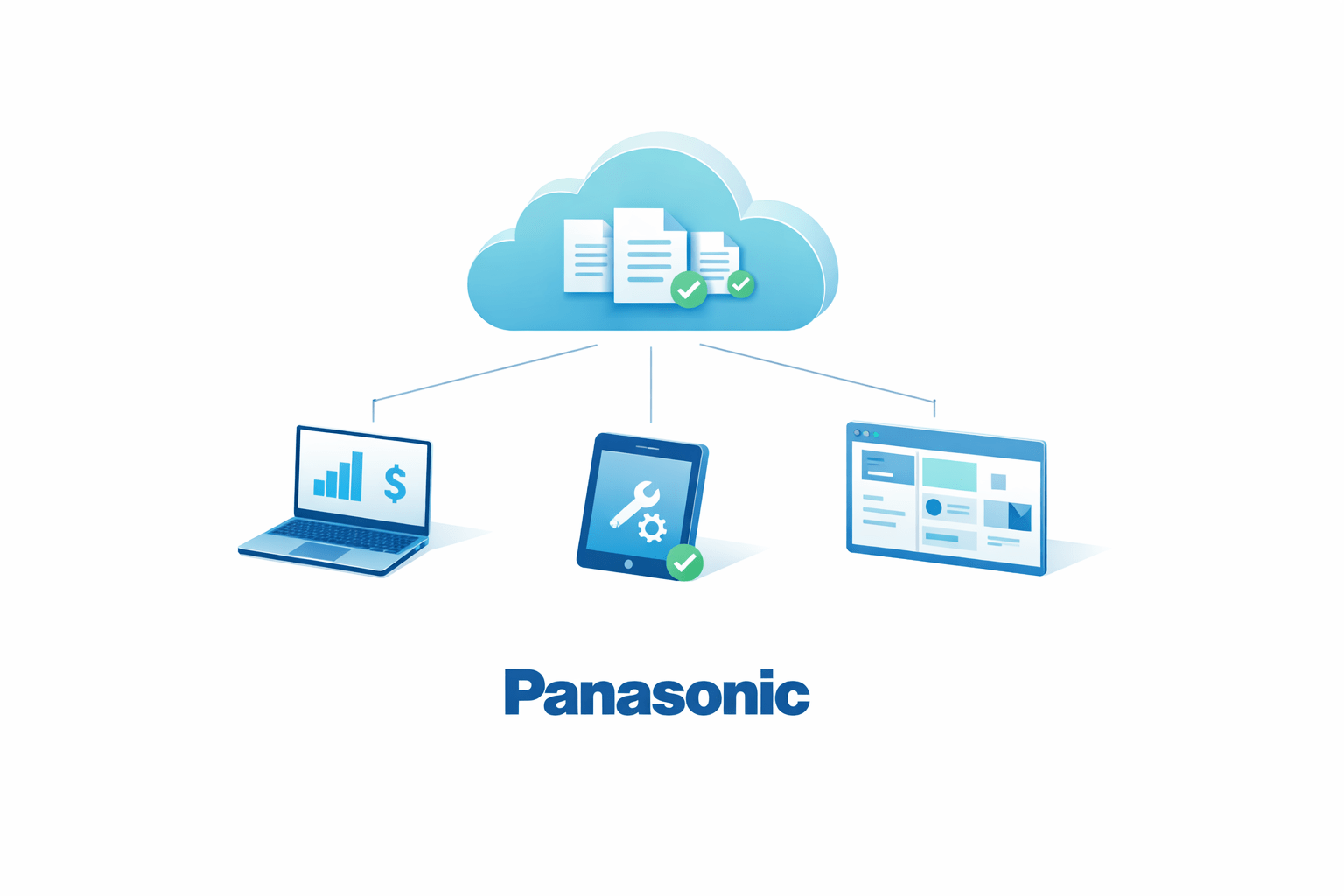
Maintain a “single source of truth” for price lists, catalogs, and installation guides.
Ensure sales and service teams always share the latest version of any document.
Embed materials directly into CRM workflows, emails, and web pages.
This consistency doesn’t just save time, it strengthens trust with customers and partners by reducing errors and miscommunications.
What We Can Learn from Panasonic’s Digital Publishing Playbook
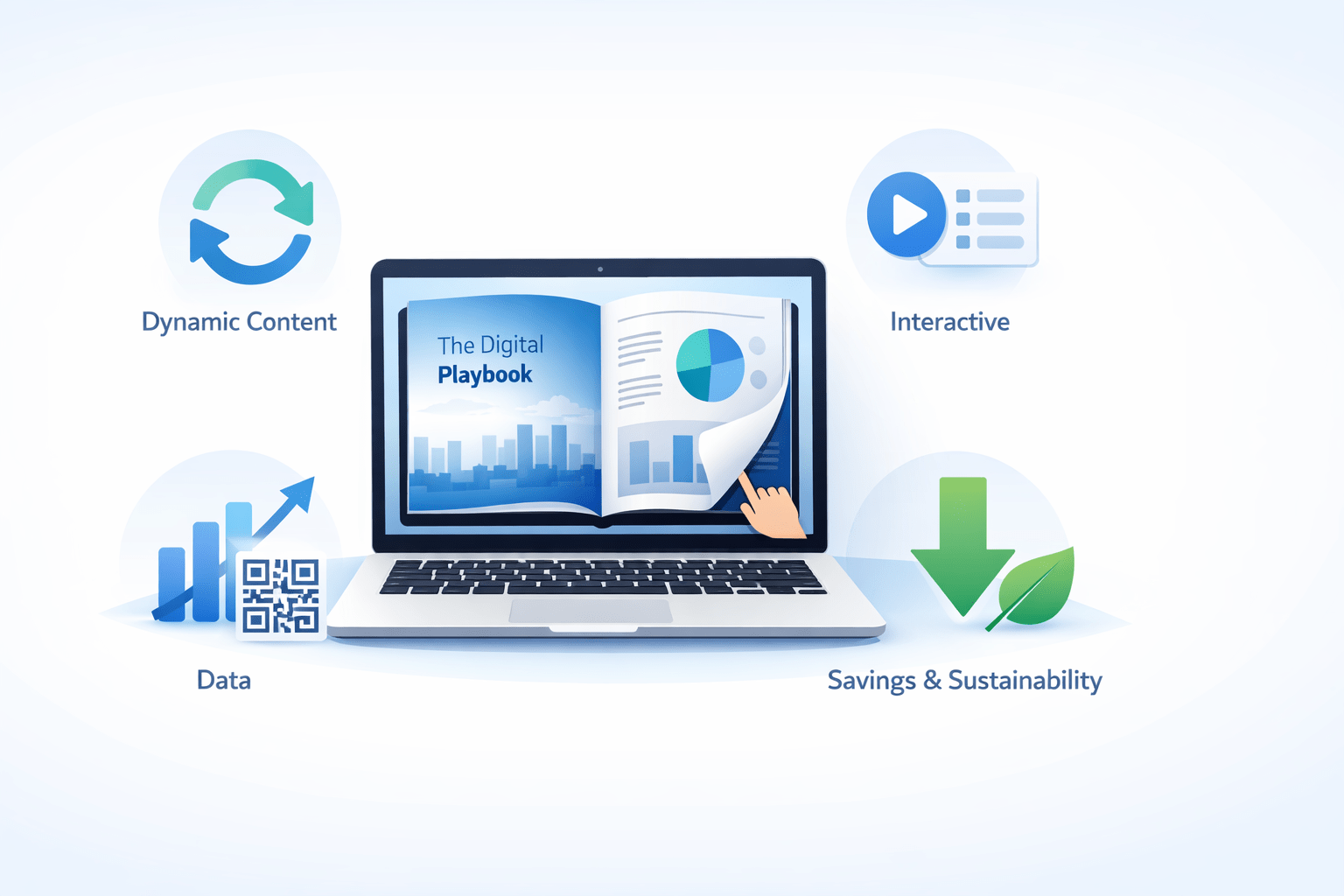
1. Digital content must be dynamic, not static.
Traditional PDFs and print materials aren’t flexible enough for products that change often.
2. Interactivity builds engagement.
Embedded videos and indexed navigation make technical information easier to digest.
3. Data matters.
Using trackable QR codes and analytics sheds light on how audiences interact with content, helping teams improve over time.
4. Costs go down when digital goes up.
Reducing print and support costs isn’t just good for budgets, it’s better for sustainability too.
Why Digital Publishing Is Not Just A "Nice to Have"
Panasonic’s story isn’t just about one company’s success, it shows a broader shift in how modern businesses communicate product information. Digital-first publishing isn’t merely a popularity trend; it’s a strategic response to the complex demands of today’s markets where products evolve fast and audiences expect information now.
By moving to interactive, trackable, and easily updated formats, Panasonic has improved efficiency, boosted engagement, and cut costs, all while strengthening the clarity and usefulness of its product communication.