
7 Ways Schools and Universities Can Use Digital Flipbooks
Educational institutions need simple ways to share clear, up-to-date information. Digital publications help schools and universities present everything from admissions guides to classroom materials in a more engaging and accessible way.
In this post, we’ll look at 7 practical ways online flipbooks can be used across education.
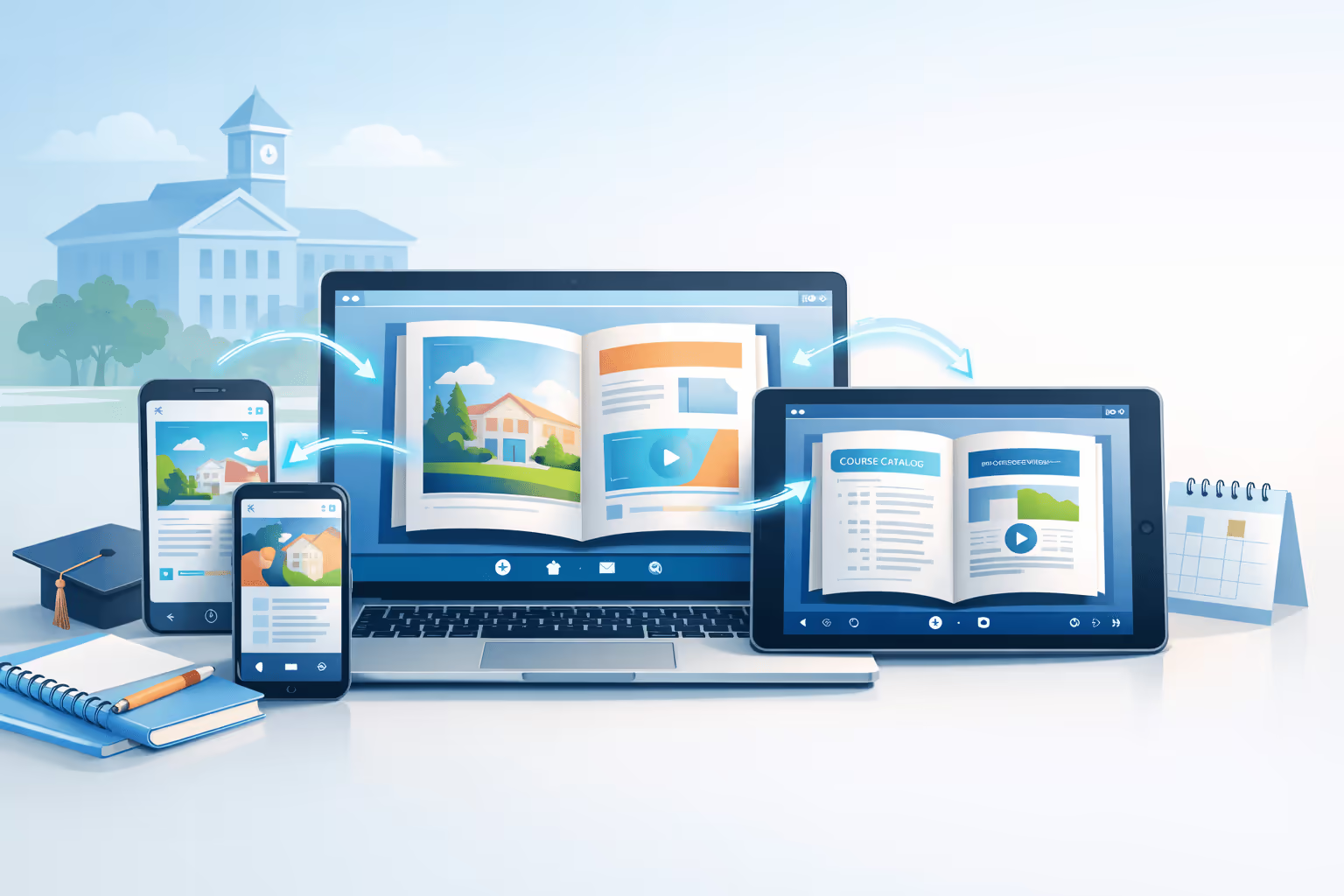
Endless Possibilities for Education Institutions With Digital Flipbooks
Every school has something important to share. It might be a course catalog for future students, a welcome guide for parents, a student magazine, or a training handbook for staff. But too often, this information is hidden inside long PDFs, buried in email attachments, or spread across different web pages.
That is where digital publications can make a real difference. With Paperturn, schools and universities can turn static documents into interactive flipbooks that are easy to read, easy to update, and simple to share. Instead of sending out files that feel flat and outdated, educational institutions can create polished digital flipbooks that look professional and keep readers engaged.
Here are 7 useful ways schools and universities can use digital publications.
1. Share admissions guides that are easier to explore
Admissions season brings a lot of questions. Future students want to know about programs, campus life, deadlines, and how to apply. Parents often want that same information in one easy place. A standard PDF can hold all of this, but it does not always make the experience feel simple. Long documents can feel heavy, and it is easy for readers to miss key details.
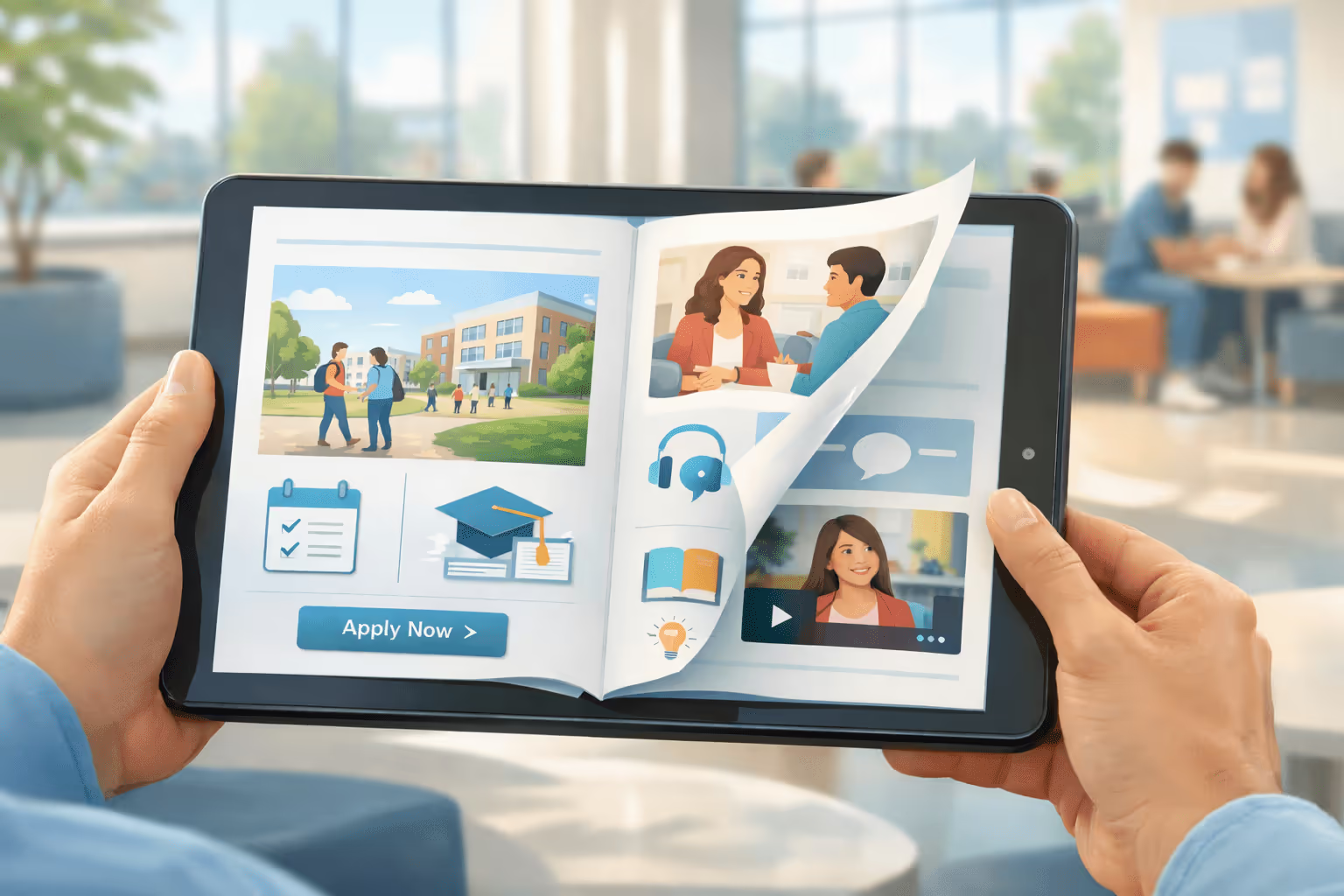
A digital flipbook gives admissions content a more welcoming format. Schools can present program overviews, application steps, student support services, and campus highlights in a way that feels organized and inviting. Readers can flip through pages naturally, zoom in when needed, and follow links directly to application forms or contact pages.
For example, a university could create an interactive prospectus with videos, clickable buttons, and links to department pages. That gives future students a better first impression and helps them move from interest to action faster.
2. Create course catalogs that students will actually use
Course catalogs are packed with valuable information, but they are not always easy to read. Students may need to search through dozens of pages to compare subjects, check credit details, or understand prerequisites.
In a form of online flipbook, course catalogs become easier to navigate. Schools can add a clickable table of contents, search tools, and links that help students move straight to the information they need. This is especially helpful for universities with many departments and study options. Instead of making students scroll through a large file, Paperturn can help turn the catalog into a smooth reading experience.
3. Present student handbooks in a clearer way
Student handbooks often include important rules, support resources, schedules, and campus information. The problem is that students do not always read them when they arrive as long files or printed booklets.
A digitalflipbook feels more accessible. It can be shared before the school year starts, embedded on the school website, and opened on mobile devices at any time. With Paperturn, institutions can also keep information current without creating confusion.
When policies, campus services, or contact details change, the publication can be updated so readers always have access to the latest version. This can be especially useful during the start of term, when students need quick answers and schools want communication to feel smooth rather than stressful.
4. Turn lesson materials into more engaging resources
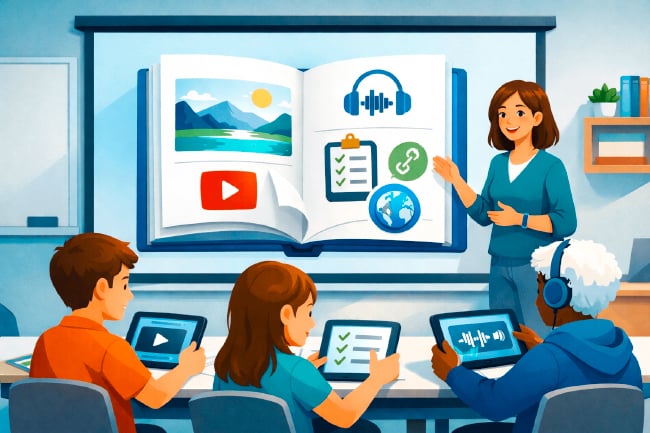
Educational content works best when it keeps attention. Teachers and lecturers often create great lesson guides, reading materials, and activity packs, but when these are shared as static documents, they can feel less inviting. Students may open them once and never return.Online flipbooks can transform traditional learning materials into interactive experiences. Schools can include videos, audio, links to extra resources, and interactive elements that support different ways of learning.
For example, a teacher could turn a classroom workbook into a digital flipbook with embedded explainer videos and links to online quizzes. A university department could publish lab guides or reading collections in a format that students can browse more comfortably.
The content stays the same, but the experience becomes much more engaging.
5. Showcase school magazines, newsletters, and annual reports
Schools and universities have stories worth sharing. Student achievements, research updates, alumni news, and campus events all help build connection and pride. Yet when these stories are sent out in plain documents, they can lose some of their energy.
A digital flipbook gives newsletters, magazines, and reports a more polished and professional look. It helps institutions present their brand in a modern way while making content easier and more enjoyable to read. This is a great fit for alumni magazines, faculty newsletters, and yearly school reports. A school could even create a digital yearbook or graduation publication that families and students can revisit and share online.
Want people to spend more time with your content instead of closing it after five seconds? Format matters. That is one of the strongest reasons many institutions choose flipbooks over plain files.
6. Support staff training and internal communication
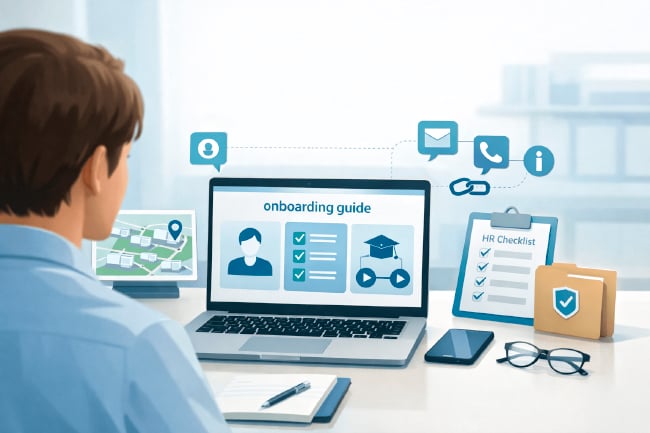
Digital flipbooks don´t have to be used by students only. They can also help with communication inside the institution. Staff handbooks, onboarding documents, policy updates, or digital reports are all easier to use when they are presented clearly and stored in one easy-to-access format.
For instance, a university could publish a digital onboarding guide for new employees. It could include campus maps, HR information, key contacts, and links to internal systems. This saves time and helps new team members feel more confident from day one.
7. Promote events, programs, and campus lifeOpen days, summer schools, exchange programs, sports activities, and student events all need strong promotion. Educational institutions often put effort into planning these experiences, but the information around them can sometimes feel scattered.
An online invitation makes event promotion more visual and easier to share. Schools can create event brochures, program guides, or activity booklets that feel exciting from the first page.
Imagine a school promoting its annual open house with a digital publication that includes the event schedule, speaker details, campus highlights, and registration links. Or a university sharing a study abroad guide with destination information, student quotes, and clear next steps. These kinds of publications do more than inform. They help readers picture themselves taking part.
A better way to share information across education
Schools and universities need communication tools that feel clear, modern, and easy to use. Whether it is an admissions guide, course catalog, student handbook, or event brochure, digital publications help present important information in a format that is more engaging and easier to access.
Paperturn supports this by turning static PDFs into interactive flipbooks that can be embedded on a website, shared through a simple link, and viewed smoothly across desktop and mobile devices. Features like clickable links, multimedia, and easy updates also help institutions keep content useful and relevant without adding extra complexity. The result is a more seamless experience for staff, students, parents, and prospective applicants alike.
Final thoughts
Education is built on sharing knowledge clearly. When information is hard to access, slow to update, or dull to read, people can lose interest or miss what matters most.
Digital flipbooks give schools and universities a smarter way to communicate. From admissions guides and course catalogs to student handbooks and event brochures, they make important content easier to read, more engaging to explore, and simpler to share.
With Paperturn, educational institutions can move beyond static documents and create digital experiences that feel modern, useful, and welcoming. Because when your content is easier to read, it is easier to remember, and much more likely to make an impact.