
Flipbook Software in 2026: Key Trends Marketers Must Know
By 2026, flipbook software will move from a simple PDF viewer to a core marketing channel. Static documents will be replaced by interactive, trackable content that supports every stage of the customer journey. As audiences expect mobile experiences and teams must prove ROI, flipbook platforms will turn PDFs into engaging, measurable assets without adding complexity.
Why Flipbooks Are Becoming Central to Modern Marketing
Flipbooks began as a design upgrade, a way to make online brochures feel more like print. Their role is shifting. Modern flipbook software is becoming a sustainable digital channel, alongside email, social media, and the website.
Three forces are driving this change:
Engagement: static PDFs are easy to ignore. Interactive content keeps attention longer.
Efficiency: print, shipping, and manual updates are expensive and slow.
Measurement: leadership expects clear proof that content drives pipeline and revenue.
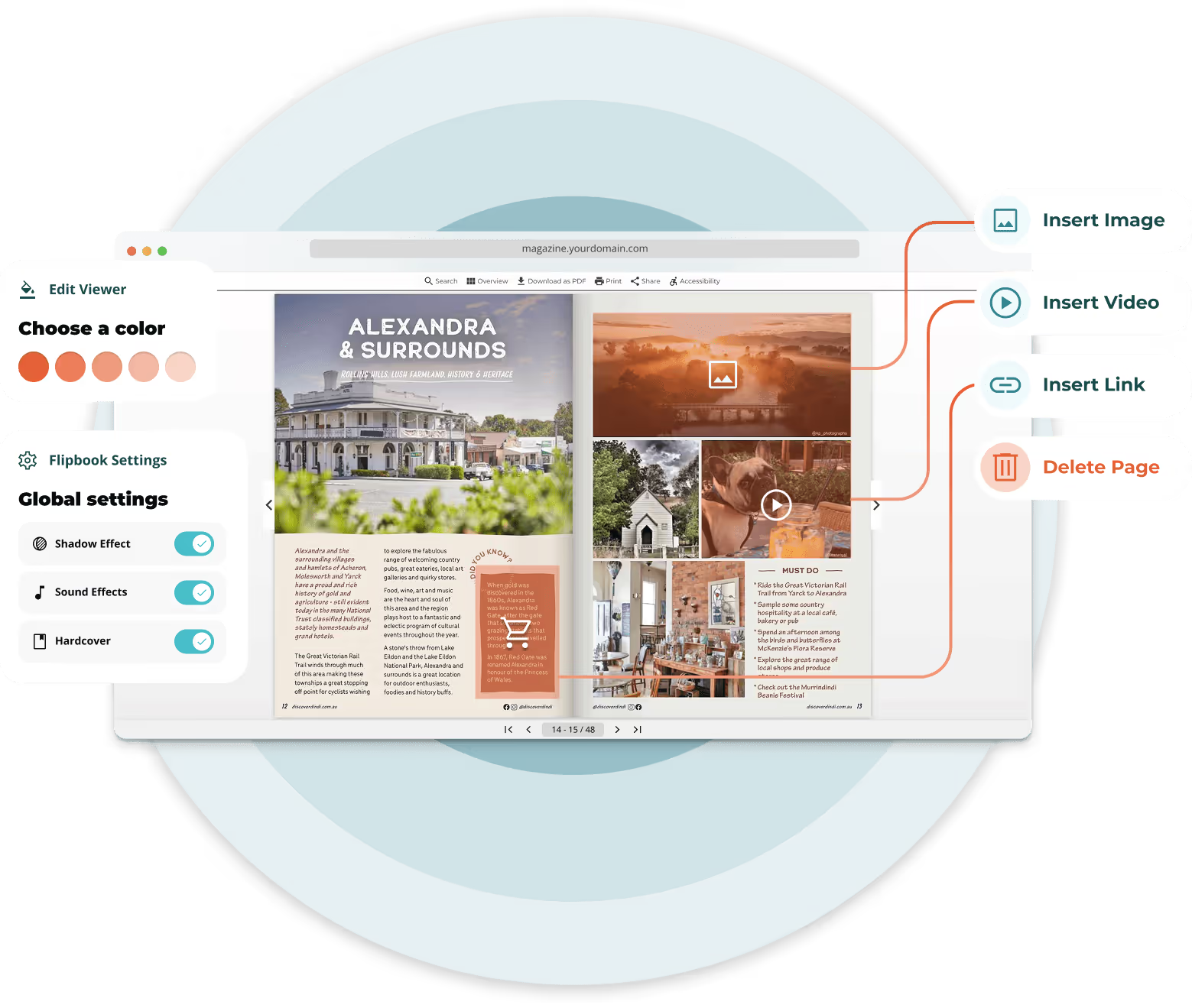
Flipbook platforms sit at the center of these needs. They take existing PDFs, turn them into interactive flipbooks, and provide instant distribution and analytics.
The result is a familiar reading experience that feels like a flip-through publication, with modern features built in.

Trend 1: From Static PDFs to Interactive Experiences
Interactivity is becoming the baseline, not a bonus. By 2026, flipbook software will function as a self-contained experience that blends content, media, and conversion points.
Modern platforms increasingly support:
Rich media: video explainers, audio clips, image galleries, and embedded 3D tours.
Interactive elements: clickable calls to action, internal navigation links, and embedded forms.
Controlled journeys: guided, linear reading paths or free exploration, depending on the goal.
This shift turns passively consumed PDFs into active touchpoints. Instead of a downloaded file that cannot be tracked, digital flipbooks become living assets. They can host campaigns, forms, and offers, and they can evolve without recreating the publication from scratch.
Trend 2: Flexible Distribution Across Channels
The value of a flipbook increases when it is easy to share everywhere the audience is. In the next few years, the strongest flipbook platforms will function as distribution hubs, not just document viewers.
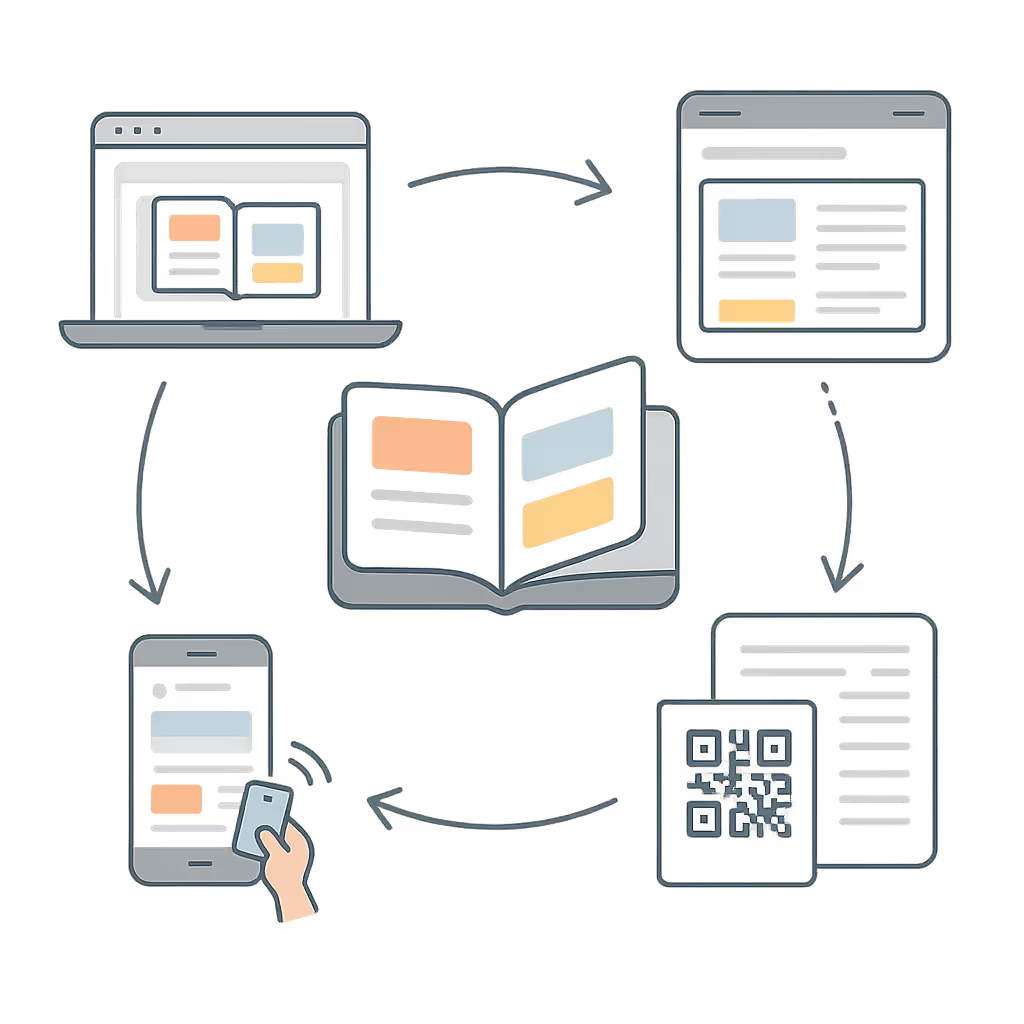
Key capabilities to expect include:
Direct links: for email, chat, and internal sharing.
Website embeds: for homepages, landing pages, blogs, and portals.
QR codes: for print collateral, packaging, events, and physical locations.
Social sharing: to turn catalogs, magazines, and guides into a campaign destination.
With this approach, a single flipbook can power multiple use cases. The same asset can support email nurturing, sales outreach, event promotion, and always-on website content. This reduces the need for separate tools for hosting PDFs, building microsites, and managing landing pages.
Trend 3: Smarter Analytics for Performance-Driven Flipbooks
Basic view counts do not tell the full story. By 2026, marketers will expect flipbook analytics that show what audiences actually do inside a publication and how that behavior links to business results.
Mature platforms already make it possible to collect:
Engagement metrics: total and unique visits, average time spent, and pages viewed, available in Paperturn through GA4 integration.
Interaction insights: clicks on links and calls to action, and navigation patterns.
Conversion data: lead form submissions, order form completions, and response rates.
These insights answer practical questions. Which pages keep attention the longest? Where do readers drop off? Which calls to action generate qualified leads or orders?
When combined with CRM or marketing automation data, flipbook analytics help teams move past vanity metrics. Instead of focusing on downloads, teams can measure how publications contribute to the pipeline and revenue.
Trend 4: Cost Savings and More Efficient Content Operations
Budget pressure is not going away. Marketing and communications teams will continue to look for ways to reduce waste, trim production costs, and automate routine work. Flipbook software plays a central role in this shift.
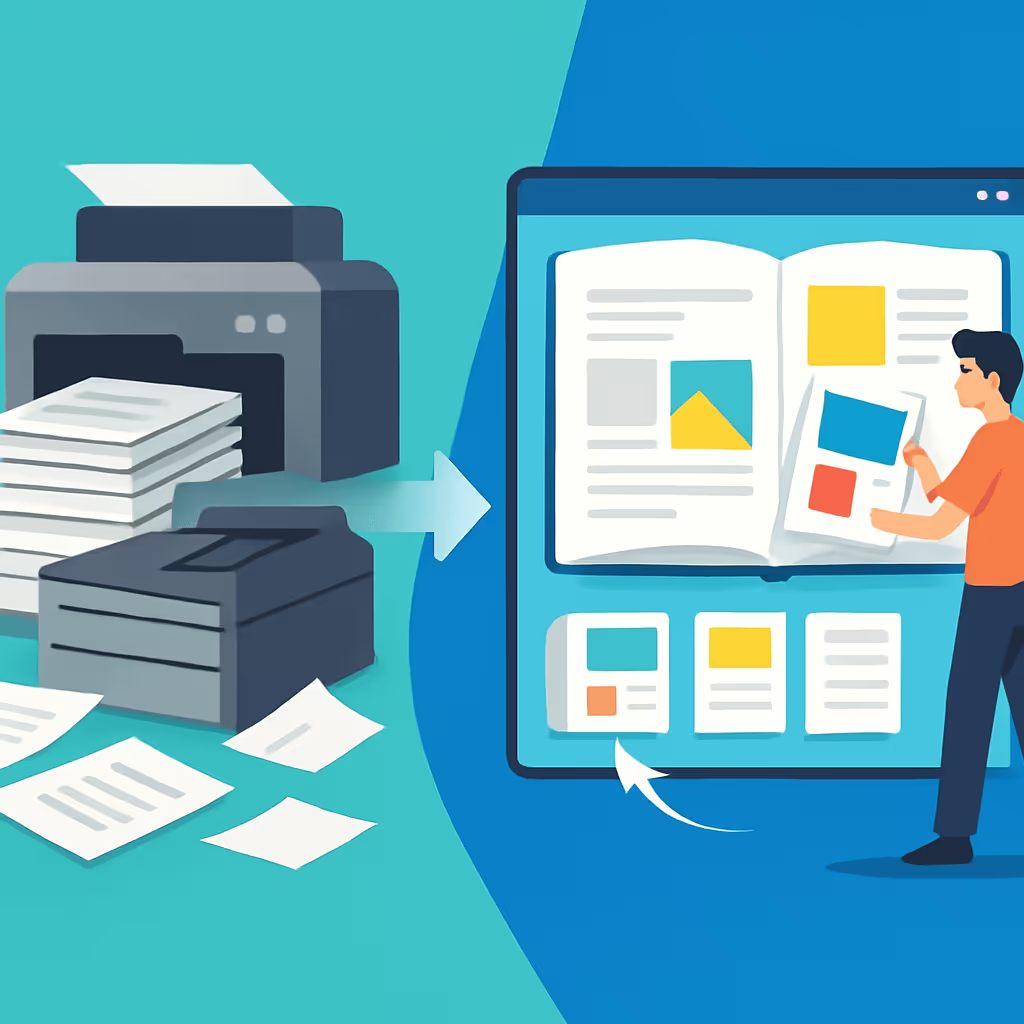 Key efficiency gains include:
Lower print and distribution costs: fewer physical catalogs, brochures, and manuals.
Better version control: overwrite outdated PDFs, replace single pages, and keep one permanent link.
Faster production: bulk PDF imports, reusable layouts, and streamlined branding workflows.
Instead of reprinting collateral for every small change, a digital flipbook can be updated in minutes. This reduces confusion around “the latest version” and supports faster campaign cycles. Teams can invest more time in strategy and creative work, and less in manual document updates.
Trend 5: Built-In Compliance for Privacy, Accessibility, and Security
Compliance is moving from a “check at the end” task to a core buying requirement. Organizations expect digital tools to support privacy, accessibility, and content security from day one. Flipbook platforms are no exception.
Three areas are especially important:
Data protection (for example, GDPR):
Flipbook tools that collect leads, orders, or behavioral data must handle personal information responsibly. Support for consent, limited data use, and secure processing are essential.
Accessibility (for example, WCAG 2.2):
Inclusive design ensures content is usable by people with disabilities. Flipbook software should support screen readers, keyboard navigation, clear contrast, and text alternatives where needed.
Access control and security:
Not all content belongs in the public domain. Teams need flexible options such as password protection, private links, and internal-only publications for staff, partners, or specific customers.
Selecting software that addresses these requirements reduces risk and last-minute fixes. It also ensures important content is usable by the widest possible audience.
What to Look for in Flipbook Software for 2026
When evaluating flipbook software, it helps to focus on capabilities rather than individual features. The right choice should serve current needs and remain useful as expectations evolve.
Use the following checklist during vendor evaluations.
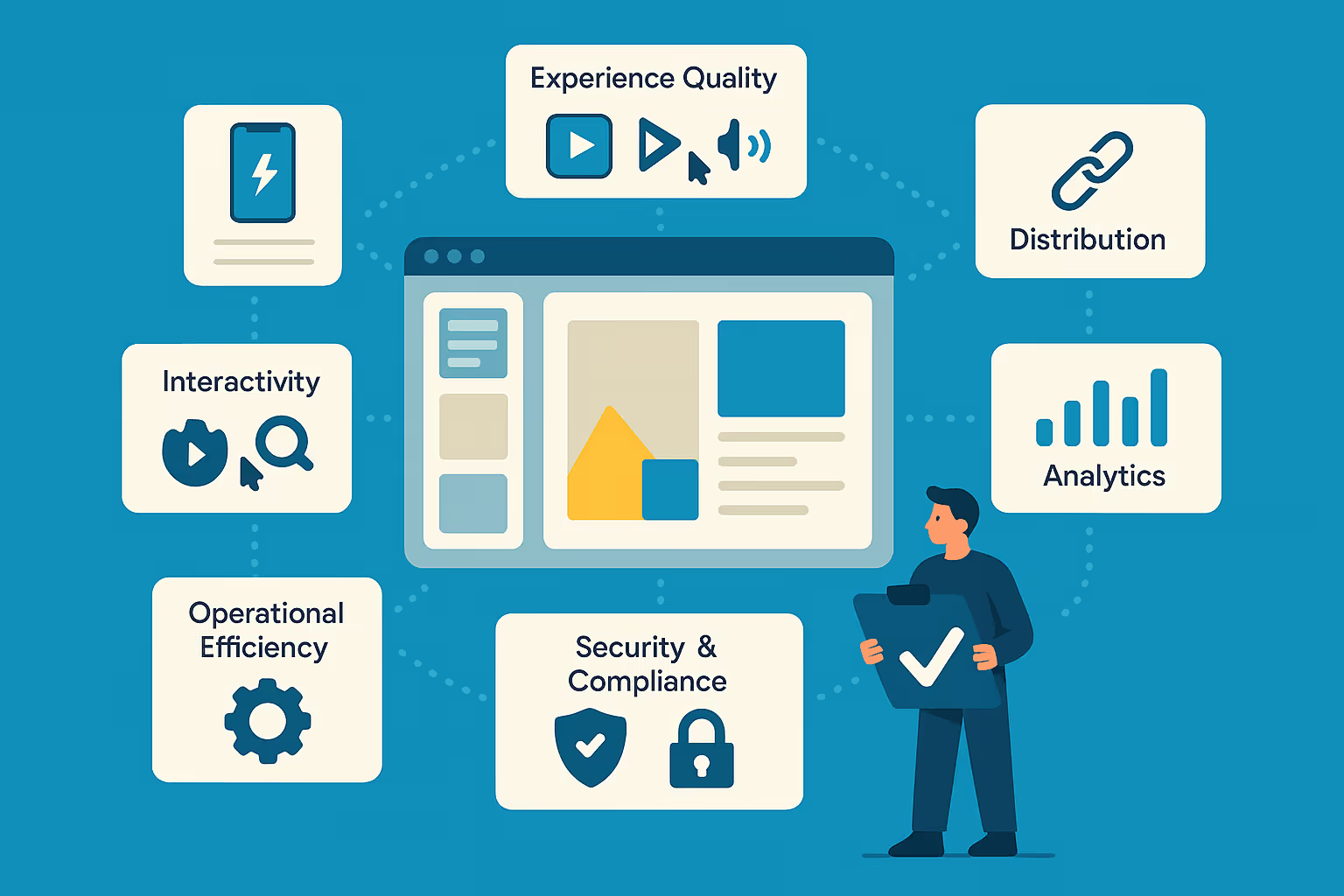
1. Experience Quality:
Choose software that delivers fast-loading, mobile-friendly flipbooks with smooth page navigation. Full branding control, including colors, logos, backgrounds, and the option to remove vendor branding, ensures a professional, cohesive experience for your readers.
2. Interactivity and Engagement:
Look for the ability to embed videos, audio, images, or 3D content, while enabling clickable links and clear calls to action. Built-in forms for lead generation or order collection help transform content into measurable engagement.
3. Distribution and Sharing:
The platform should make sharing easy across email, messaging, websites, and print via QR codes. Multi-publication browsing and search functions allow readers to move seamlessly between catalogs, guides, or magazines.
4. Analytics and Reporting:
Robust reporting tools should provide real-time insights into visits, engagement, page views, and clicks. Tracking for form submissions, orders, and key actions, along with data export capabilities for CRM or business intelligence tools, ensures measurable ROI.
5. Governance, Security, And Compliance:
Software should offer flexible access control, such as private or password-protected flipbooks, and comply with privacy regulations like GDPR. Accessibility alignment (WCAG 2.2) and transparent hosting, security, and data policies are essential for safe and compliant distribution.
6. Operational Efficiency:
Look for features that simplify management, such as overwrite or single-page replacement, bulk import for multiple PDFs, and a user-friendly interface so teams without technical expertise can create and maintain flipbooks efficiently.
Use Cases That Will Grow By 2026
Flipbook software is a horizontal solution. It applies across industries and departments, particularly where teams work with PDF-heavy content. Adoption is increasing in several common scenarios:
 Marketing teams: creating interactive catalogs, product guides, corporate brochures, and digital magazines that support demand generation.
 Sales teams: using personalized flipbooks as sales collateral and tracking which pages prospects read before meetings.
 Communications and HR: sharing employee handbooks, onboarding packs, and internal magazines in a user-friendly, searchable format.
 Professional services: firms, such as architects, consultants, and freelancers, presenting proposals, portfolios, and case studies in a polished, branded environment without custom development.
In each case, the consistent value lies in transforming static PDFs into interactive, measurable experiences that are easy to update and share.
How To Prepare Content For The Next Generation Of Flipbooks
Preparing for the next wave of flipbook software does not require a full overhaul of the content strategy. A few focused steps can position teams for success.
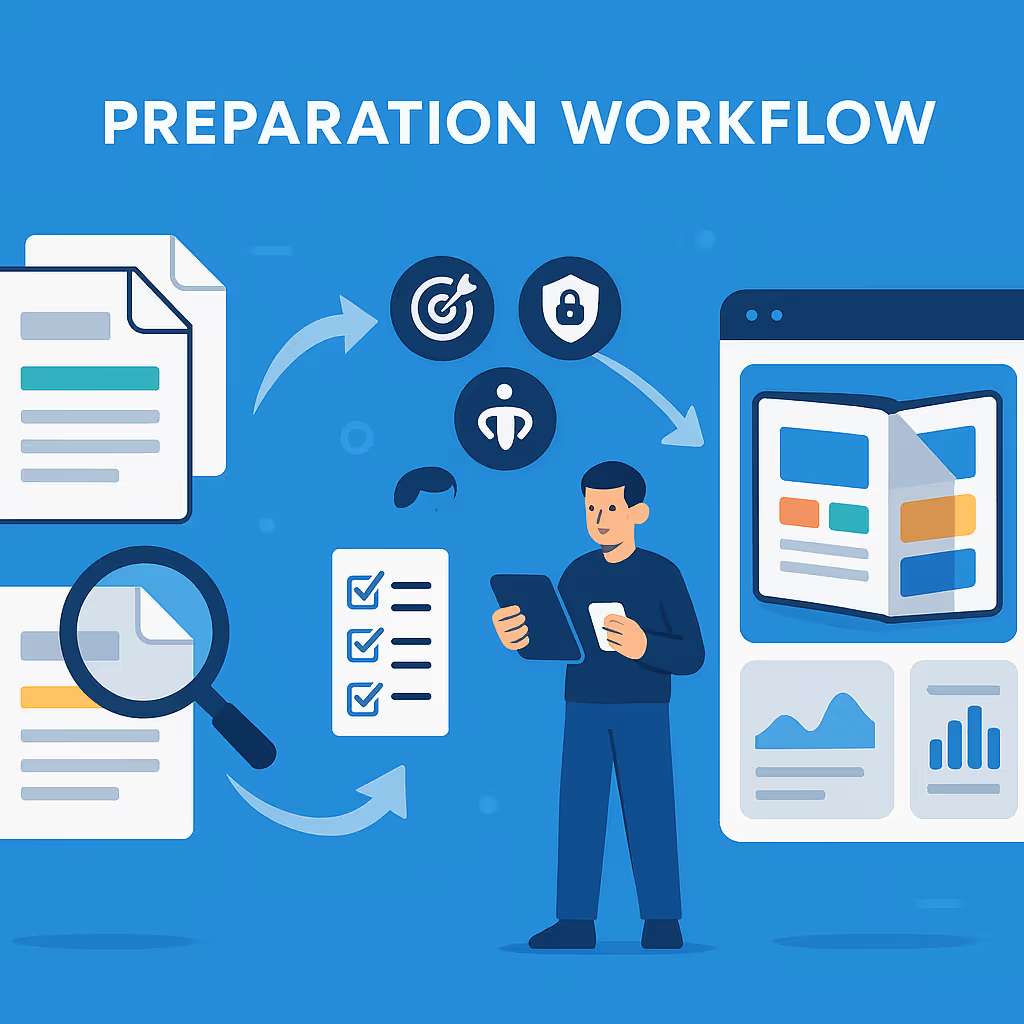
Consider:
Auditing existing PDFs: Identify catalogs, brochures, reports, manuals, and presentations that could work better as interactive flipbooks.
Defining success metrics: Decide how to measure performance for each publication, such as engagement, leads, or orders.
Planning for accessibility and compliance: Create new content with inclusive design and data protection in mind from the beginning.
Most importantly, look for a flipbook platform that reduces complexity rather than adding to it. The right solution should help repurpose existing content, extend reach across channels, and provide clear performance insights.
A modern platform such as Paperturn is designed for this role. It focuses on helping marketing and communications teams turn static PDFs into interactive flipbooks, share them anywhere, and track how audiences respond.
The Future Of Flipbook Software
Flipbook software is evolving from a visual upgrade for PDFs into a core part of the digital content stack. By 2026, the most effective platforms will combine interactive experiences, flexible distribution, robust analytics, and built-in compliance in a single, manageable channel.
The trends are clear. Static documents are giving way to richer formats that keep attention longer, travel easily across channels, and generate data that supports real business decisions. At the same time, AI assistance and better operational tools will help teams manage growing volumes of content without adding complexity.
Organizations that treat flipbooks as a strategic channel, rather than a one-off format, will be better positioned to meet modern expectations. They will be able to repurpose existing PDFs into engaging, measurable experiences, respond faster to change, and maintain a consistent, accessible standard for digital publications as their needs continue to evolve.
Paperturn Blog
Recommended


Green Growth: How to Master The Art of Sustainable Branding
Caring for the environment is more important than ever. Have you noticed that consumers are looking for sustainable brands to support? Sustainable branding isn't just a trend; it's a smart business move. Companies prioritizing sustainability are seen as leaders and innovators, gaining a competiti...