
The Overlooked Factor in Choosing a Flipbook Provider: Customer Support
When evaluating a flipbook provider, most teams naturally focus on features, pricing, design flexibility, and integration capabilities. The evaluation process is structured and rational, centered on what the platform can do and how much it costs.
What often receives less attention is what happens after implementation: onboarding, customization, technical questions, and time-sensitive campaign launches. In those moments, the quality of customer support directly affects execution speed and confidence. If support is slow, generic, or difficult to access, the risk extends beyond inconvenience, it can delay launches, strain internal resources, and impact results.

Why Customer Support Is a Strategic Decision
In a typical flipbook software comparison, feature checklists dominate the conversation:
Does it support interactive elements?
Can we embed video?
Does it integrate with HubSpot or Google Analytics?
What are the pricing tiers?
Is it mobile responsive?
These are important questions. But they overlook a more strategic one:
What happens when something doesn’t work exactly as expected, and you need help fast?
Marketing and communications teams operate under tight deadlines. Product launches, investor updates, sales proposals, recruitment campaigns, and digital catalogs often have fixed publication dates. If a flipbook isn’t loading correctly, tracking isn’t firing, or a domain setup fails hours before launch, the real differentiator becomes support, not features.
The best flipbook software isn’t just the one with the longest feature list. It’s the one that ensures your team can execute confidently, even when challenges arise.

The Hidden Cost of Poor SaaS Support
In SaaS, poor support rarely shows up as a line item on a pricing page, but it absolutely shows up in your operations. Here's how.
1. Delayed Campaign Launches
A technical issue that takes 48 hours to resolve can push a campaign live date. For B2B companies, that may mean missing industry events or sales windows.
2. Increased Internal Workload
When support is slow or unhelpful, your internal teams compensate. Marketing managers become troubleshooters. Designers waste time testing workarounds. Developers step in for issues that should have been resolved by the provider.
3. Lower Platform Adoption
If team members struggle to get quick answers, they may avoid using the platform altogether. A tool that was meant to improve digital publishing efficiency becomes underutilized.
4. Reduced ROI
If analytics tracking lead forms, or integrations don’t work properly, and support doesn’t resolve it quickly, you lose measurable business value.
In short: customer support in SaaS is directly tied to performance outcomes.
Why Flipbook Software Is Especially Support-Dependent
Not all SaaS categories carry the same level of support dependency. Flipbook software is uniquely sensitive because it sits at the intersection of:
- Branding
- Marketing performance
- Sales enablement
- IT configuration
- Analytics and tracking
A flipbook isn’t just a PDF viewer. It often includes:
- Custom domains
- Embedded lead forms
- Pixel tracking
- SEO indexing
- Interactive elements
- Access controls
Each of these layers introduces potential configuration questions. Even experienced teams benefit from responsive guidance, especially when customization goes beyond standard templates.
In a competitive flipbook software comparison, many vendors promise similar features. The differentiator becomes how confidently your team can deploy and optimize those features.
What Great Customer Support Actually Looks Like
When evaluating providers, support quality can feel abstract. To make it tangible, here are the characteristics that distinguish truly strong SaaS support:
1. Fast, Human Responses
Automated chatbots can handle simple questions. But when you're configuring domain settings or troubleshooting tracking code, you need real expertise. Responsive, knowledgeable humans matter.
2. Proactive Onboarding
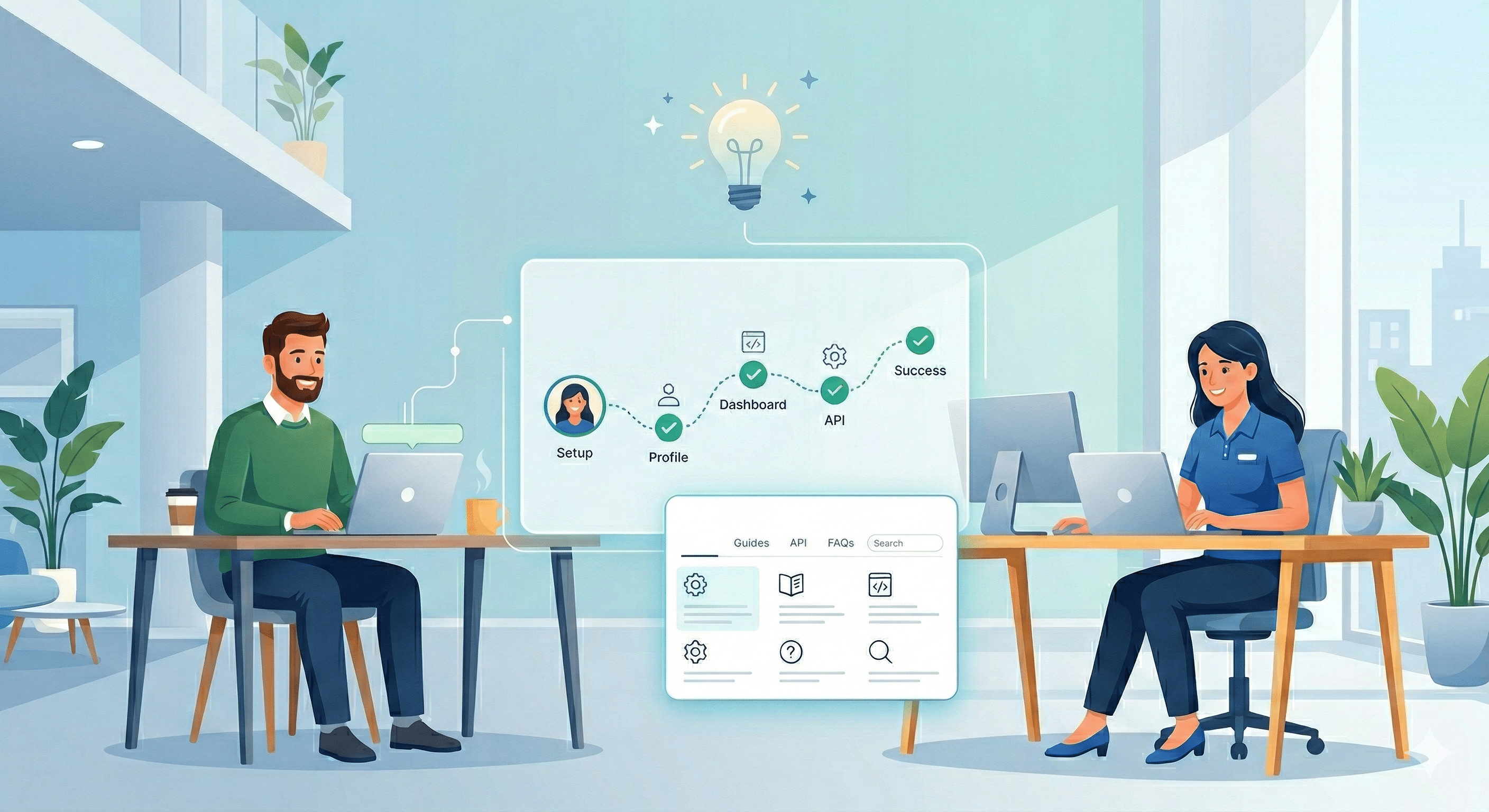
The best providers don’t wait for problems. They help you structure your first projects, explain best practices, and guide setup decisions that prevent future friction.
3. Clear Documentation
Strong self-service resources are part of good support. Tutorials, walkthroughs, and transparent guides reduce reliance on reactive tickets.
4. Strategic Guidance, Not Just Technical Fixes
Support should go beyond “how.” It should help answer “why.” For example:
How can we optimize flipbooks for SEO?
What’s the best way to gate content for lead generation?
How should we structure analytics tracking for campaign attribution?
Why Support Should Be Part of Your Evaluation Checklist
When conducting a flipbook software comparison, add these support-related questions to your decision framework:
What are average response times?
Is support included in all pricing tiers?
Is onboarding guided or self-service only?
Are support agents product specialists?
Is live chat available?
Do they offer strategic guidance or only technical assistance?
If possible, test support before committing. Ask a technical question during your trial period. Assess clarity, speed, and depth of the response.
The free trial with Paperturn gives you full access to the platform, and direct access to our support team, so you can evaluate not just the features, but the experience behind them.
This real-world test often reveals more than a features page ever will.
The Paperturn Approach: Support as a Core Value
At Paperturn, we’ve built our product philosophy around a simple idea: software should empower, not frustrate.
We know that our customers don’t just need a digital flipbook. They need:
Campaign-ready publications
Reliable analytics
Smooth integrations
Brand consistency
Launch confidence
That’s why customer support in SaaS isn’t an afterthought for us, it’s part of the product experience.
Our team focuses on:
Fast, human responses
Clear and accessible communication
Proactive onboarding guidance
Technical clarity for integrations and tracking
Strategic advice to help customers get more from their flipbooks
Because the reality is simple: the value of even the best features depends on how confidently they’re used.
A Practical Decision Framework
When choosing your flipbook provider, think in three layers:
1. Core Functionality
Does it meet your publishing needs?
2. Scalability
Will it grow with your organization?
Features like automation and smart linking can help teams update links dynamically, manage multiple publications more efficiently, and reduce manual maintenance as campaigns scale.
3. Support Quality
Will it reduce friction, or introduce it?
The third layer is often overlooked, yet it can have the largest operational impact over time.

Final Thoughts
The conversation around digital publishing tools often centers on features and pricing, and rightly so. But as teams become more performance-driven and time-sensitive, the importance of responsive, knowledgeable support increases.
In practice, the difference between a smooth campaign launch and a stressful one often comes down to how quickly you can get expert help.
When conducting your next flipbook software comparison, look beyond checklists. Ask how the provider supports you when things matter most.
Because the true measure of the best flipbook software isn’t just what it can do, it’s how confidently your team can use it.